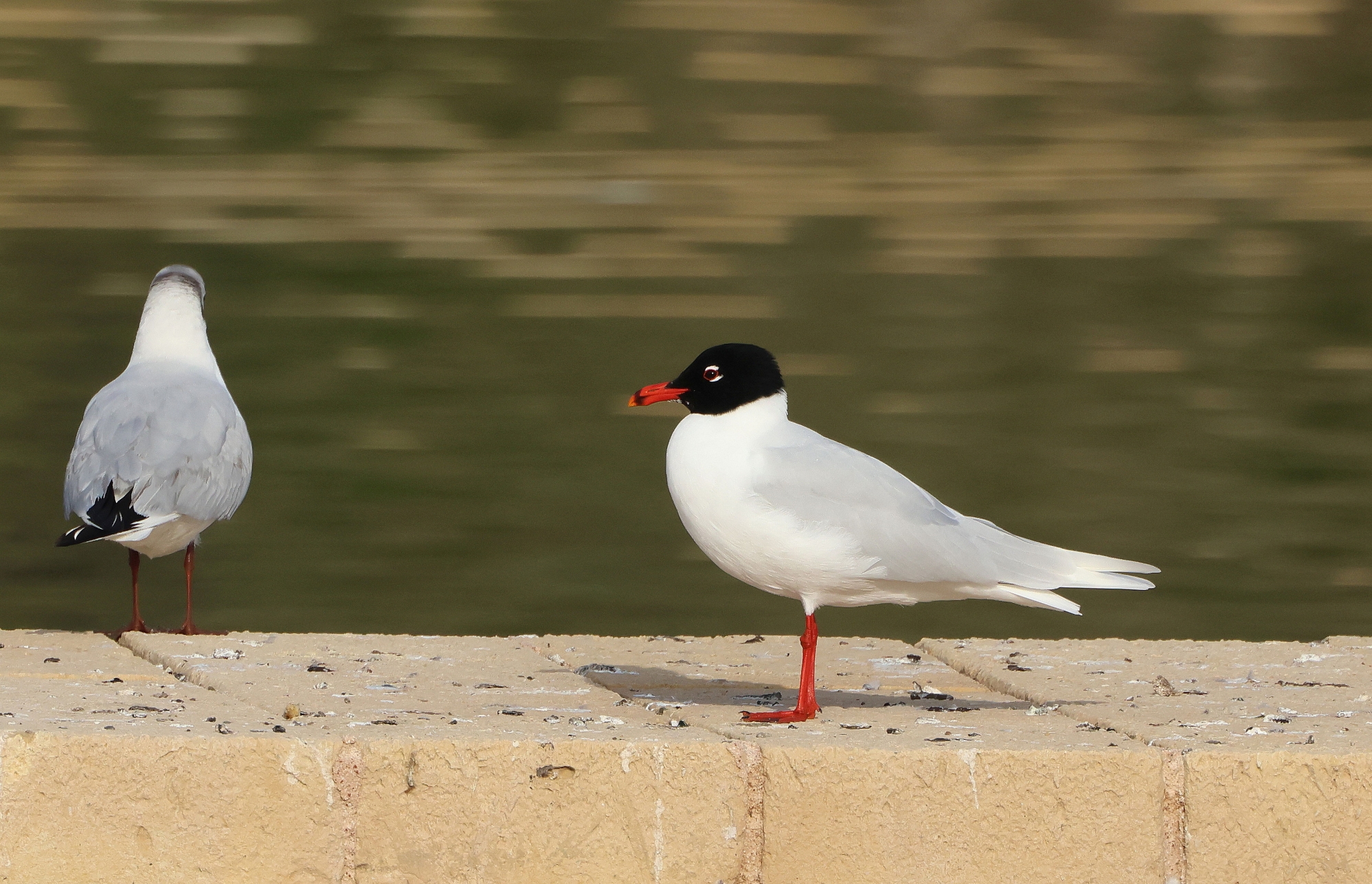
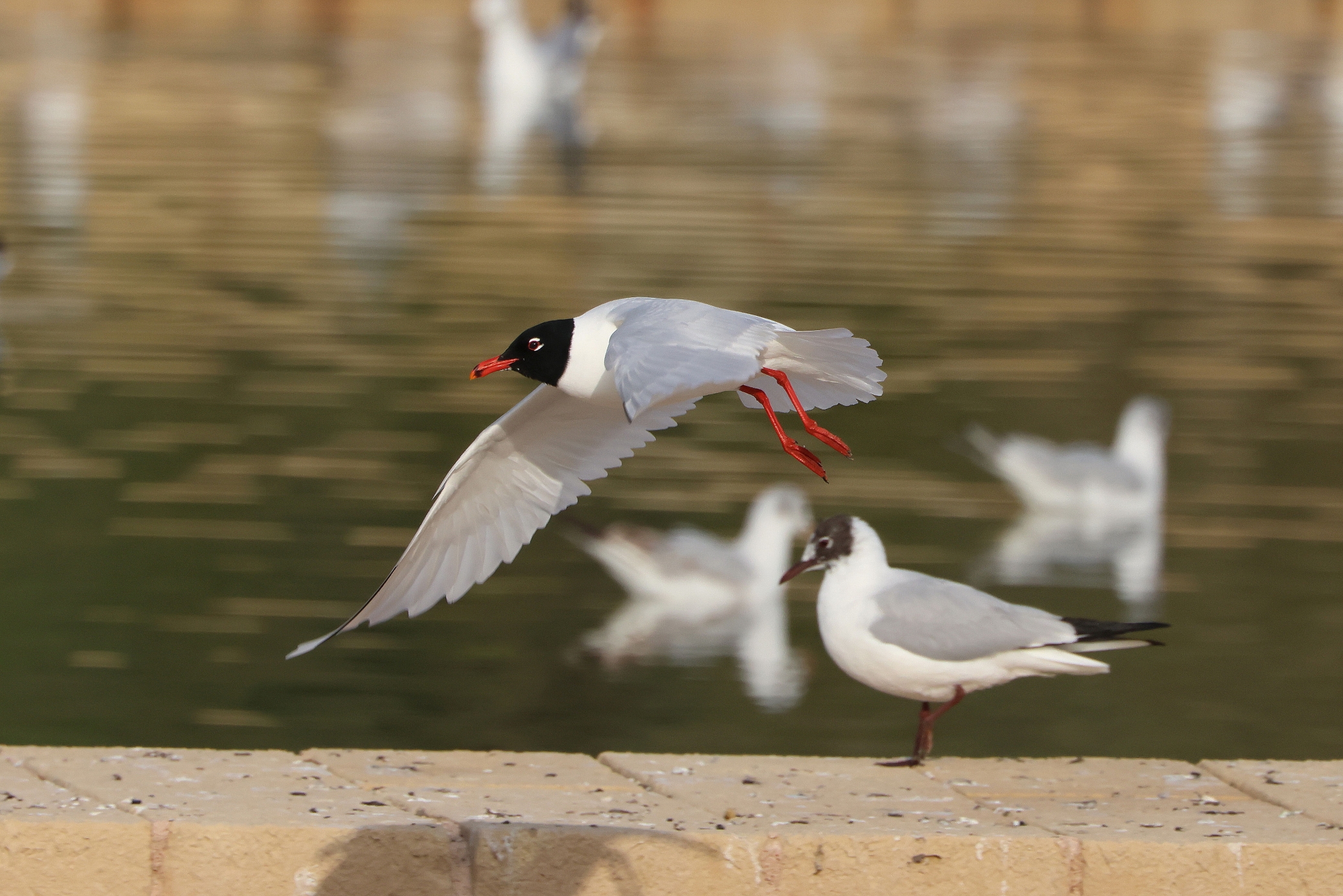
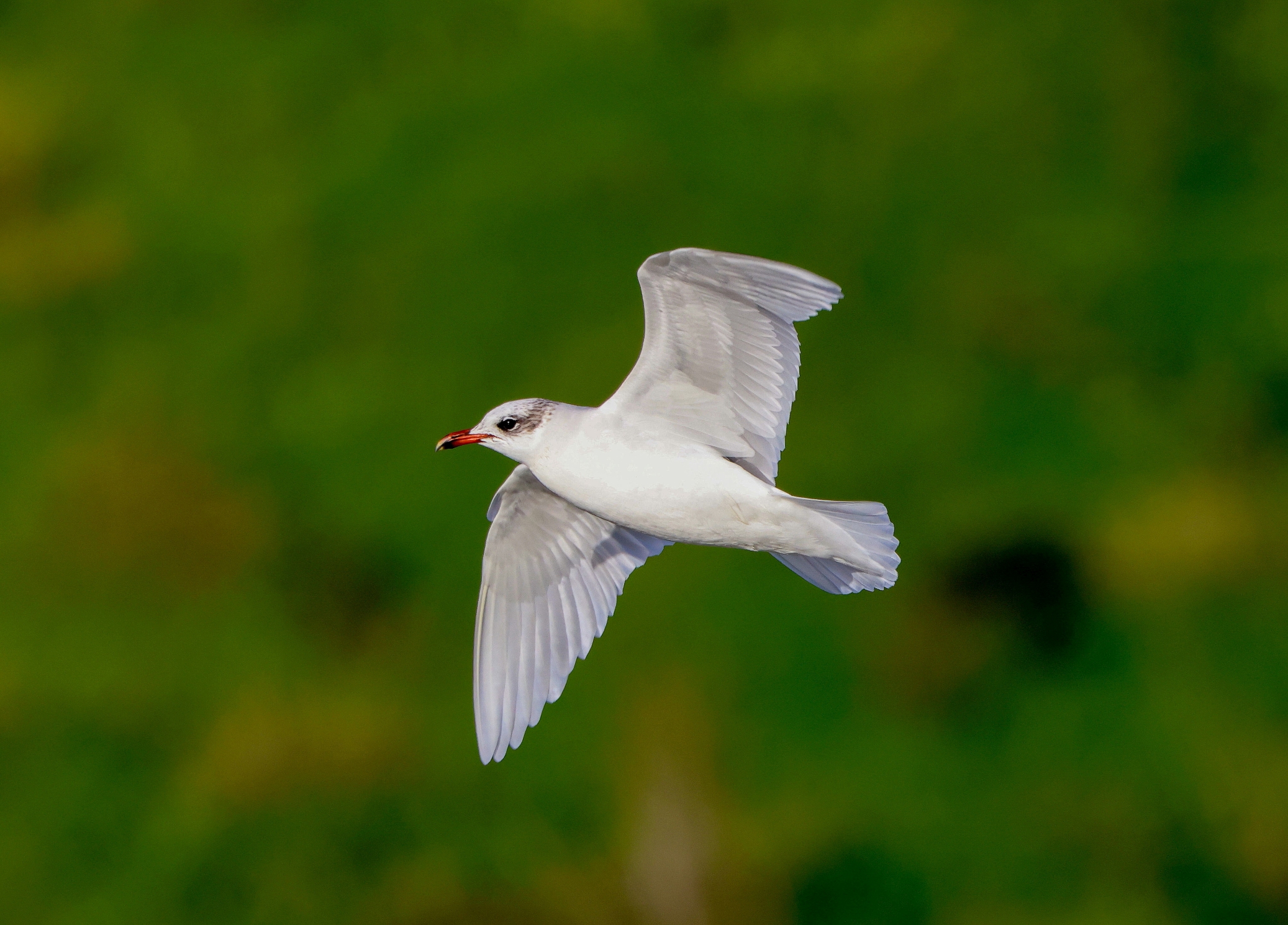
Mediterranean Gull
Larus melanocephalus
MT Gawwija Rasha Sewda
 Birds Directive: Annex I
Species last updated: 02 Oct 2026
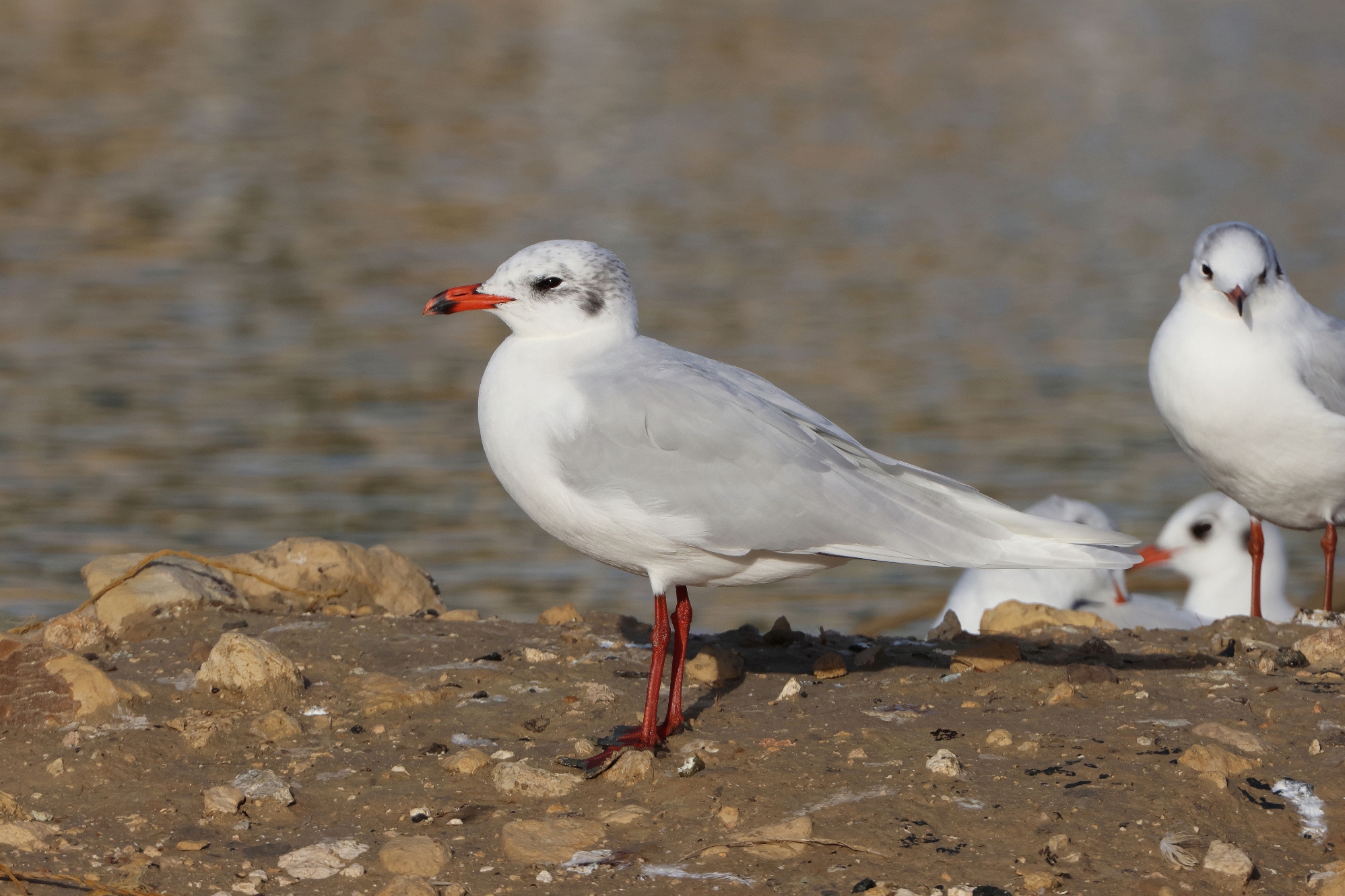
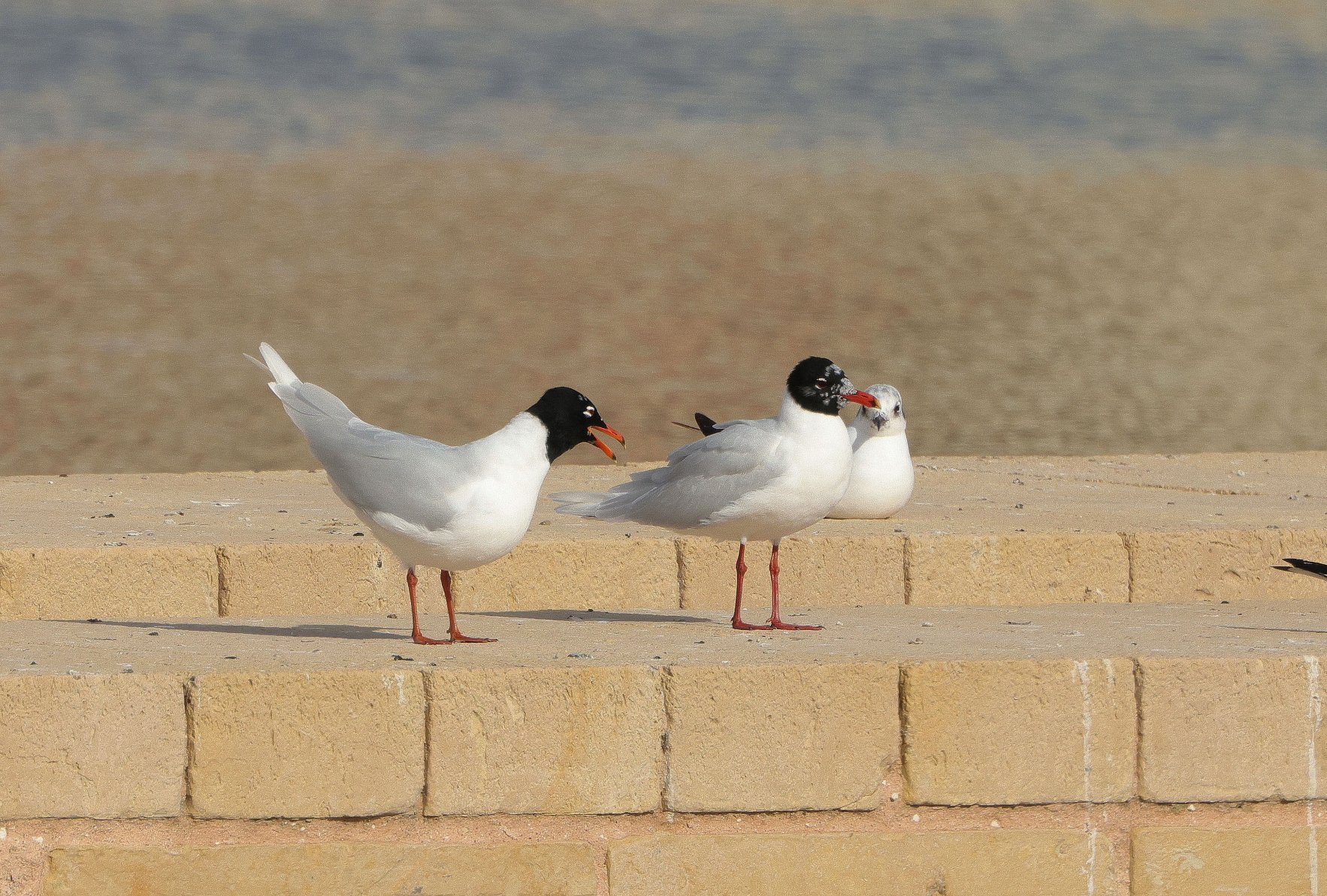
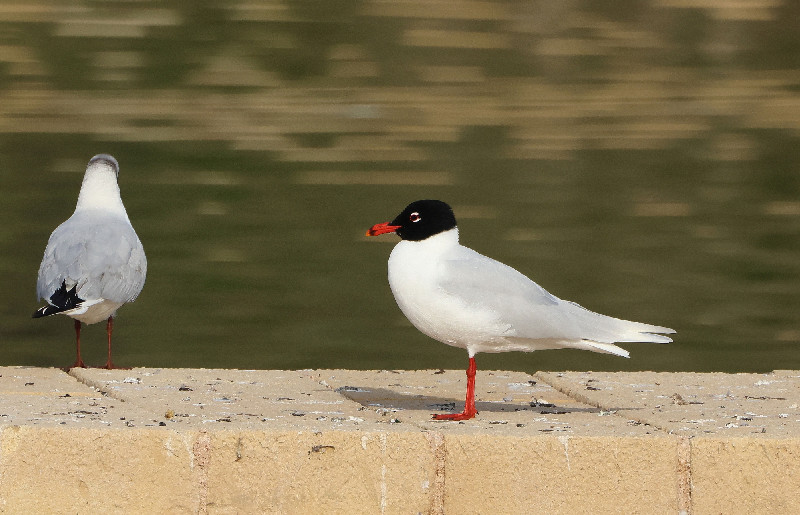
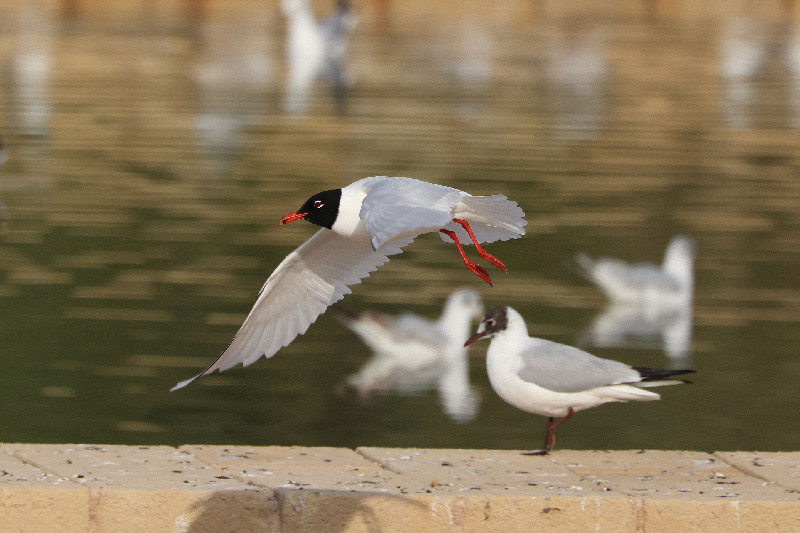
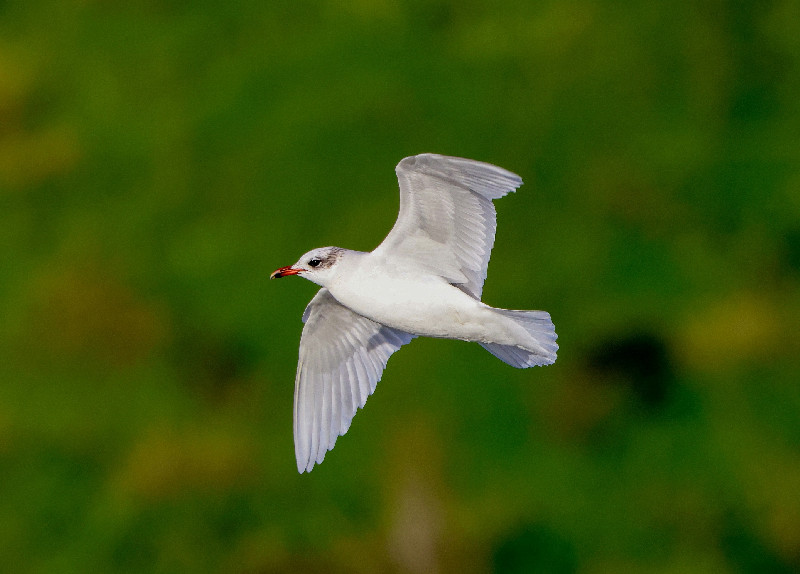
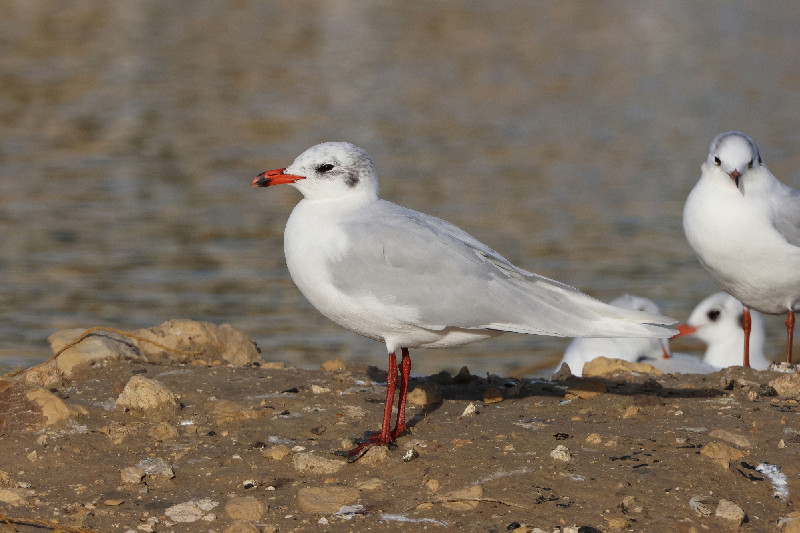
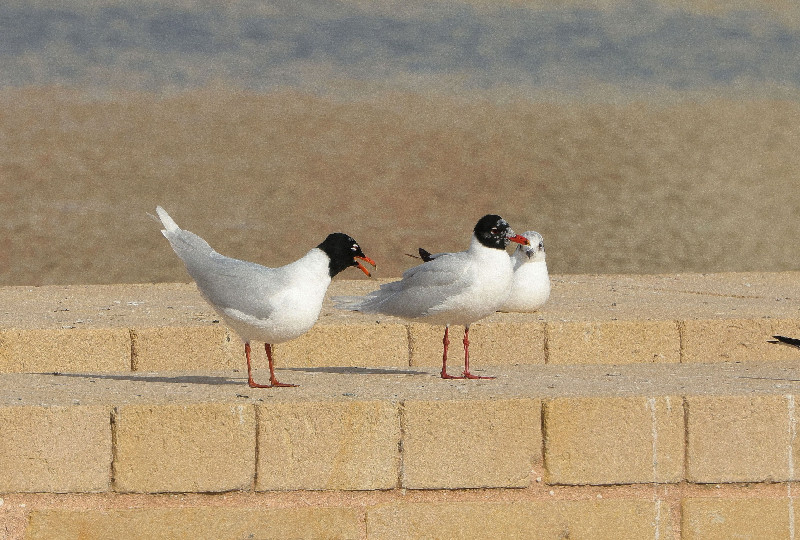
Species overview
Global distribution & migration
A mainly migratory gull breeding around the Black Sea and at scattered sites elsewhere in Europe, where its breeding range has expanded. Non-breeding birds occur along Mediterranean and Atlantic coasts. Movements differ between breeding populations, and ringing records reveal connections between inland breeding sites and coastal wintering areas.
Status in Malta
A non-breeding visitor, particularly associated with the winter period and coastal sites such as Salina Nature Reserve. BirdLife Malta tracking has documented journeys between Malta and Sicily and onward movements to Greece and Turkey, illustrating connections between Malta and the eastern Mediterranean. These tracks represent individual birds rather than a single route followed by the whole population.
Ecology & habitat
Breeds colonially in coastal lagoons, marshes and on islands in inland waters. Outside the breeding season it uses coastal feeding and resting sites, often gathering with other gulls.
Conservation & threats
Globally classified as Least Concern and listed on Annex I of the EU Birds Directive. Conservation priorities include protecting breeding wetlands and undisturbed feeding and roosting areas. Continued colour-ring reporting and tracking can help identify the sites and connections important to birds using Malta.
Seasonality in Malta
Weekly reporting rate: the percentage of complete bird lists that include this species. This indicates seasonal occurrence rather than the number of birds present.
Ringing & Recovery Statistics
Recovery statistics describe records currently included in this atlas.
- Birds ringed in Malta, 1965–2025: 18
- Recovery records in the atlas: 26
- Ringed in Malta → encountered abroad: 0
- Ringed abroad → encountered in Malta: 26
- Maximum ringing–recovery distance: 2,056 km
- Longest interval between ringing and recovery: 1,345 days
- Recovery circumstances:
Ringing recoveries & tracking
Explore international ringing records and individual tracking datasets.
How to read this map
Red markers: encounter locations abroad for birds ringed in Malta. Blue markers: ringing locations abroad for birds subsequently encountered in Malta.
Coloured lines: movement tracks from tracking projects. Colours correspond to the tracked individuals listed below where a matching track is available.
Ringing records indicate connectivity between locations and do not establish the exact route travelled. Tracking lines connect recorded fixes; movement between fixes is not necessarily known. Coverage is influenced by ringing effort, reporting probability and tracking sample size.
Research & conservation projects

Tracking Mediterranean Gulls and Yellow-legged Gulls
March, 2022 - March, 2023The Tracking Mediterranean Gulls and Yellow-legged Gulls project was developed by BirdLife Malta to improve our understanding of the movements and ecology of two gull species closely associated with the Maltese Islands and in particular Salina Nature Reserve. For the Mediterranean Gull, the project focused on birds wintering at Salina...
Tracked individuals
2 tracked individuals are listed below. Recorded journeys represent these birds and may not reflect the movements of the whole population.
References & data sources
Ringing and recovery records: BirdLife Malta Ringing Scheme. Seasonality: complete bird lists submitted to BirdLife Malta's MaltaBirdSightings.com. Tracking: the individual bird records and research projects linked on this page. Coverage varies between datasets and further historical records are being digitised and validated.
- EURING/CMS (2022) — Mediterranean Gull migration and connectivity
- BTO BirdFacts — Mediterranean Gull range, classification and conservation status
- BirdLife International — Mediterranean Gull species factsheet
- BirdLife Malta — Tracking Mediterranean Gulls and Yellow-legged Gulls, including individual histories