
Yellow-legged Gull
Larus michahellis
Gawwija Prima
Overall info
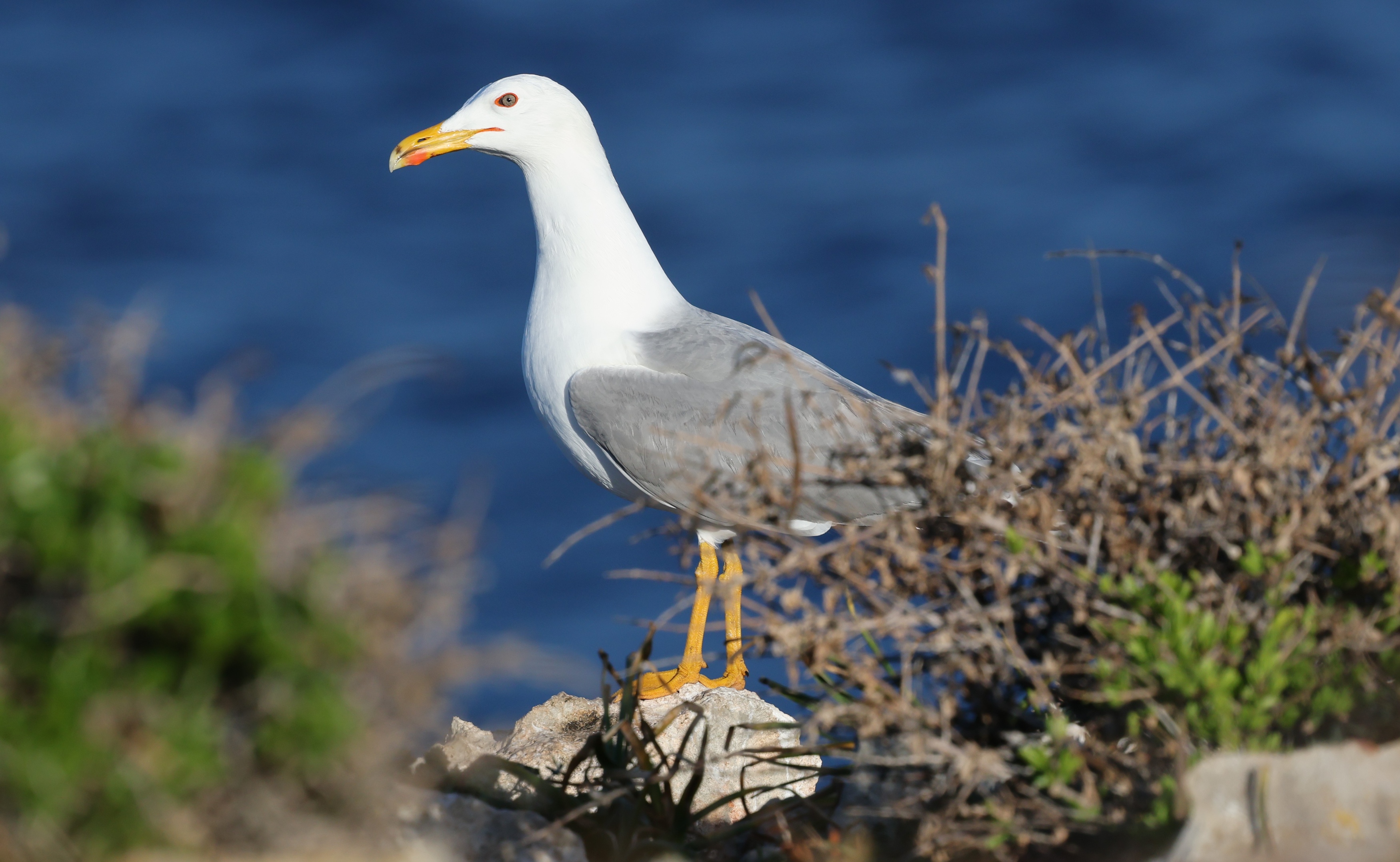
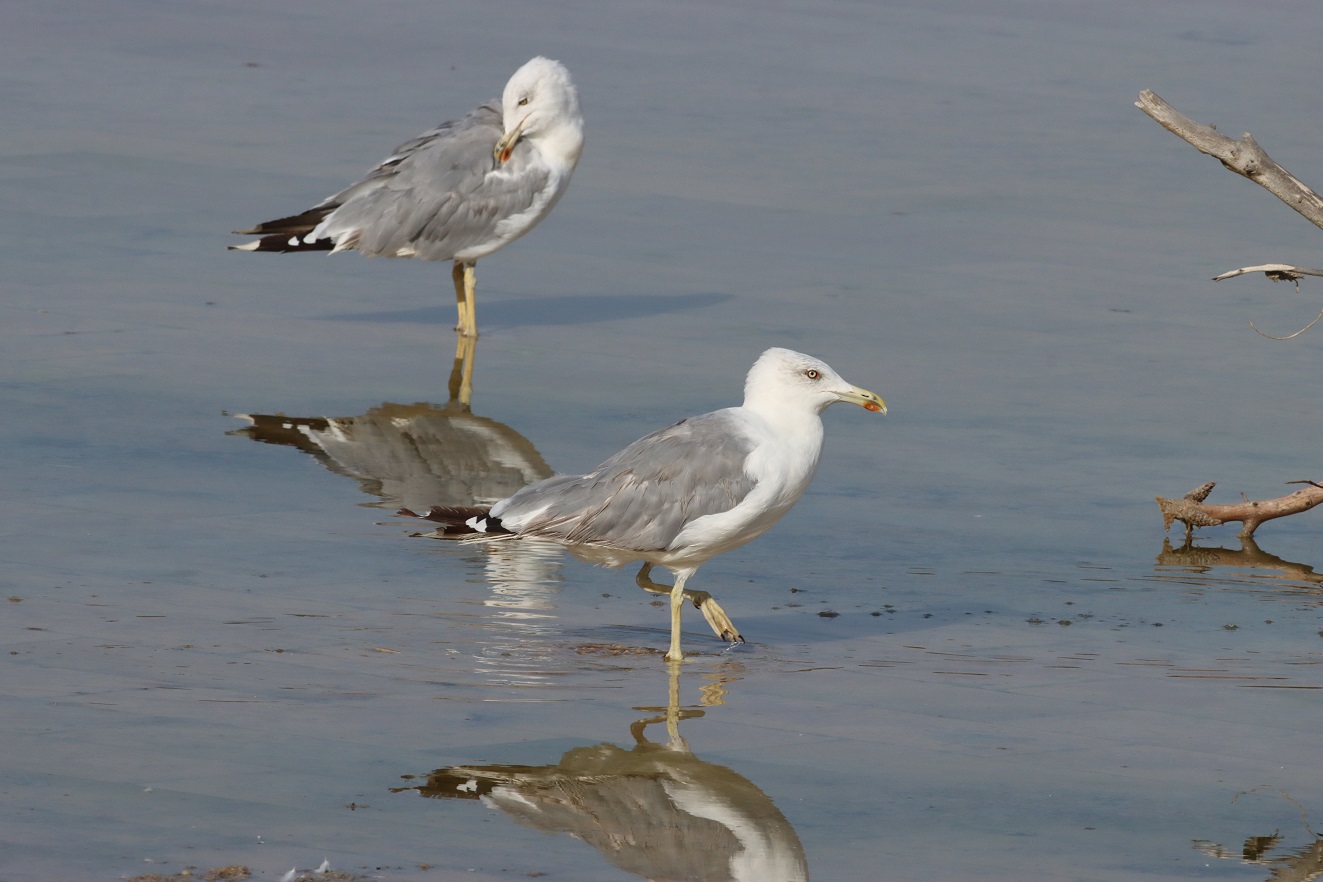
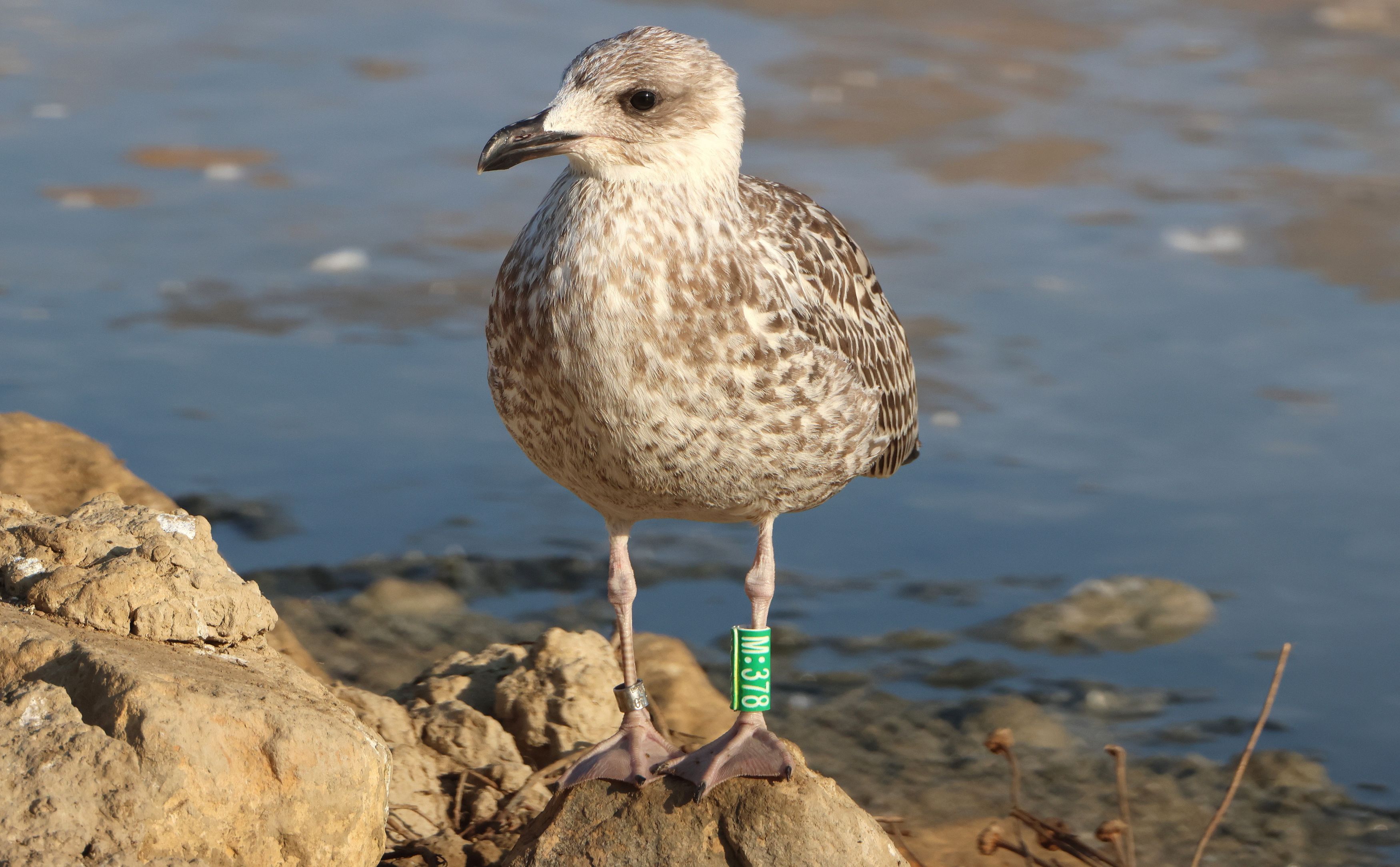
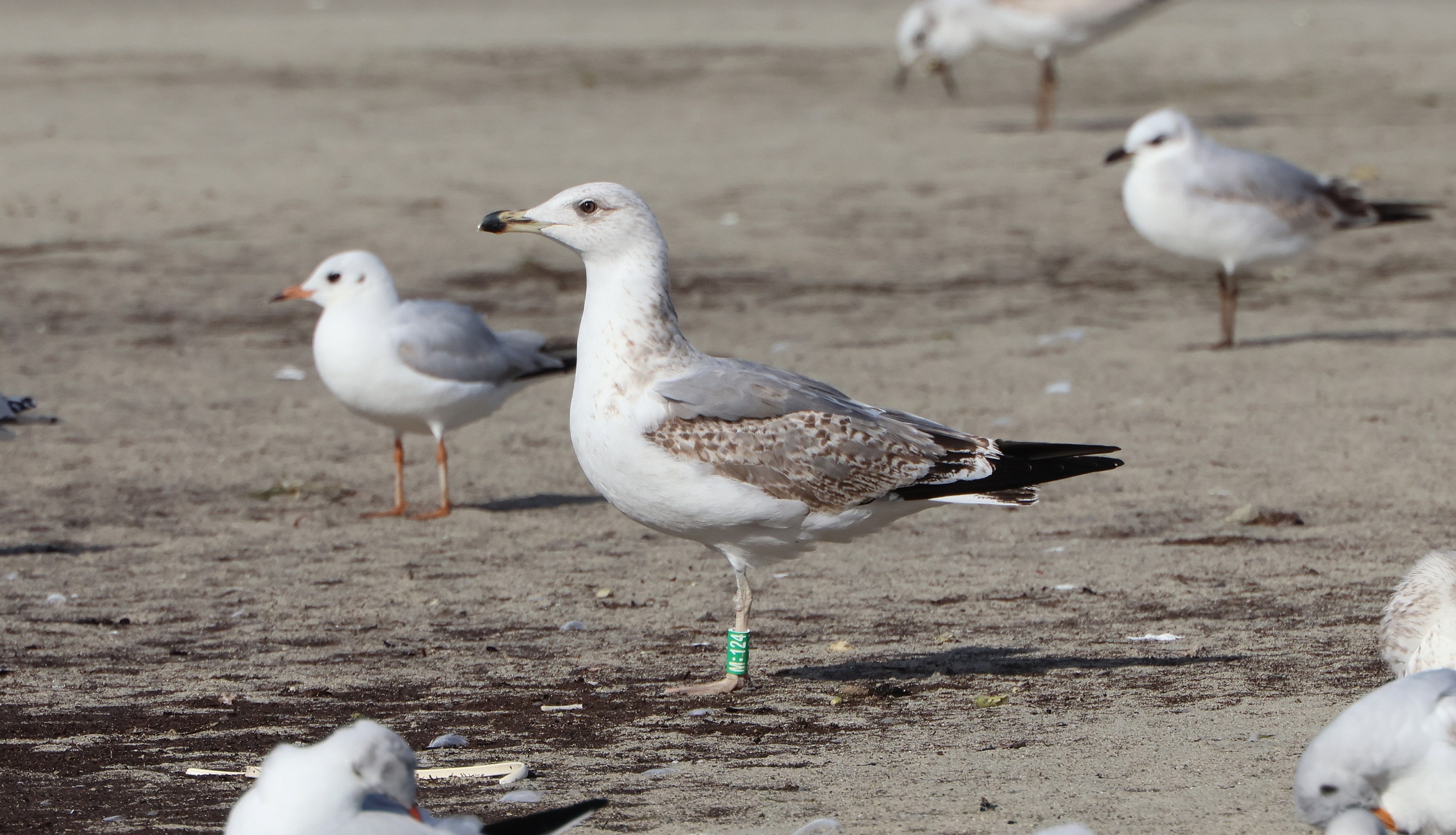
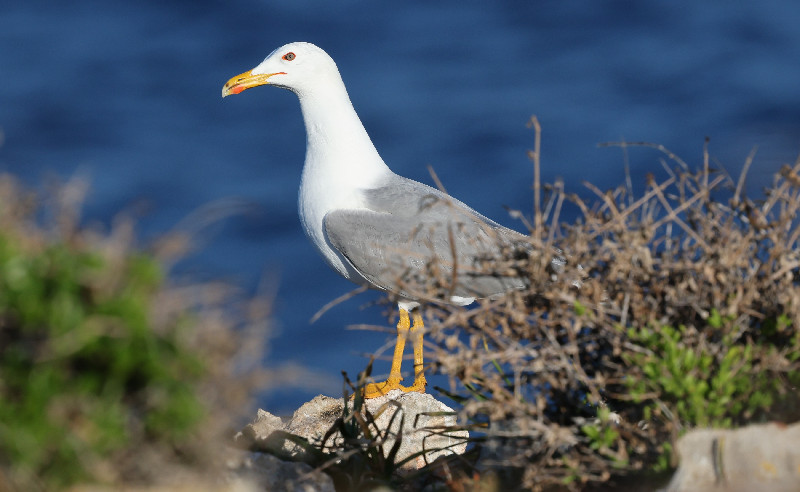
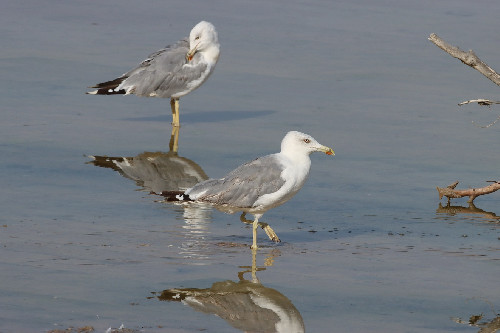
A large and adaptable gull distributed mainly around the Mediterranean basin, with populations also occurring along the Atlantic coasts of southern Europe and northwest Africa. The species is a partial migrant: many adults remain near their breeding areas, while juveniles and immature birds may disperse widely after the breeding season (BirdLife International, 2024).
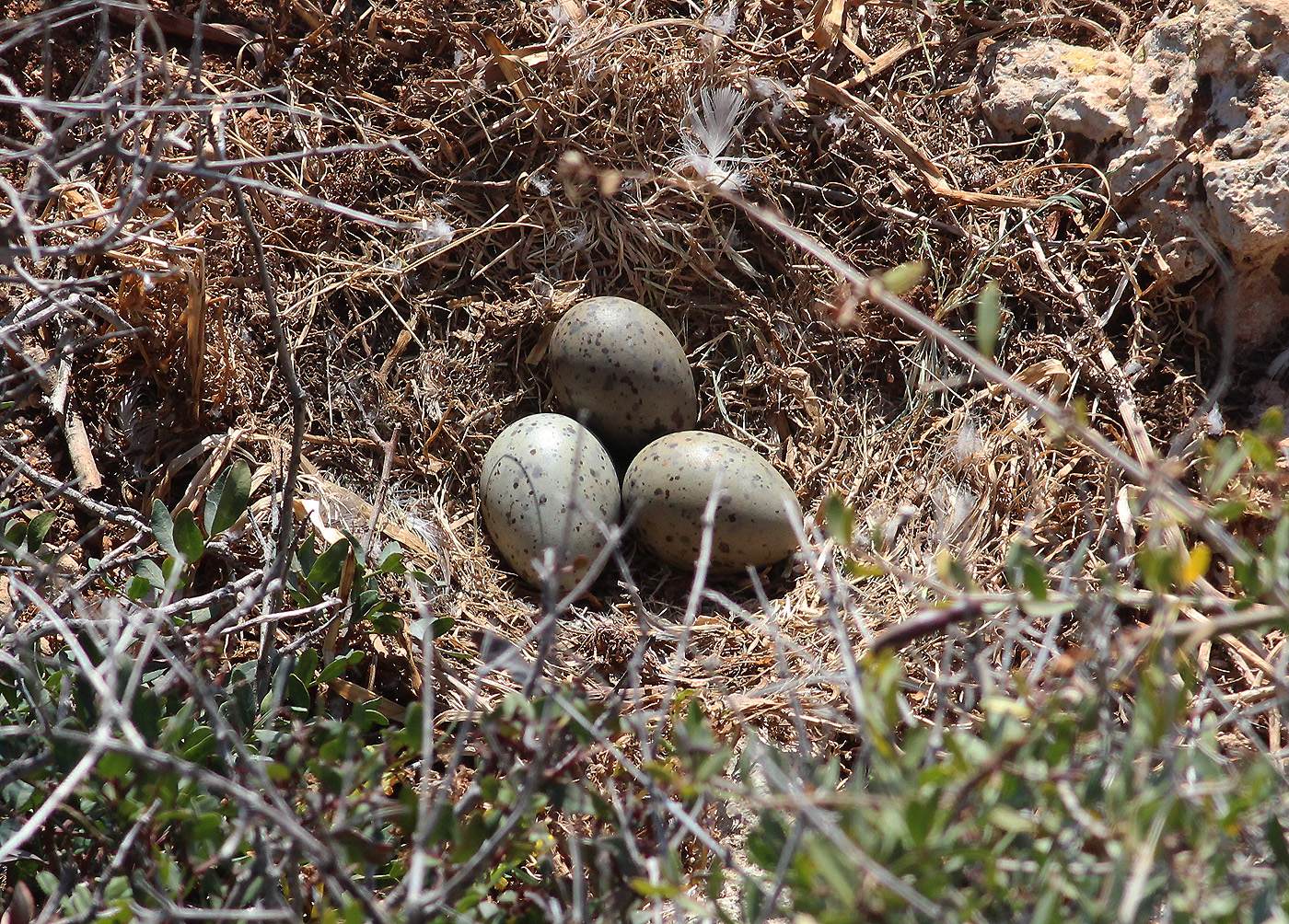
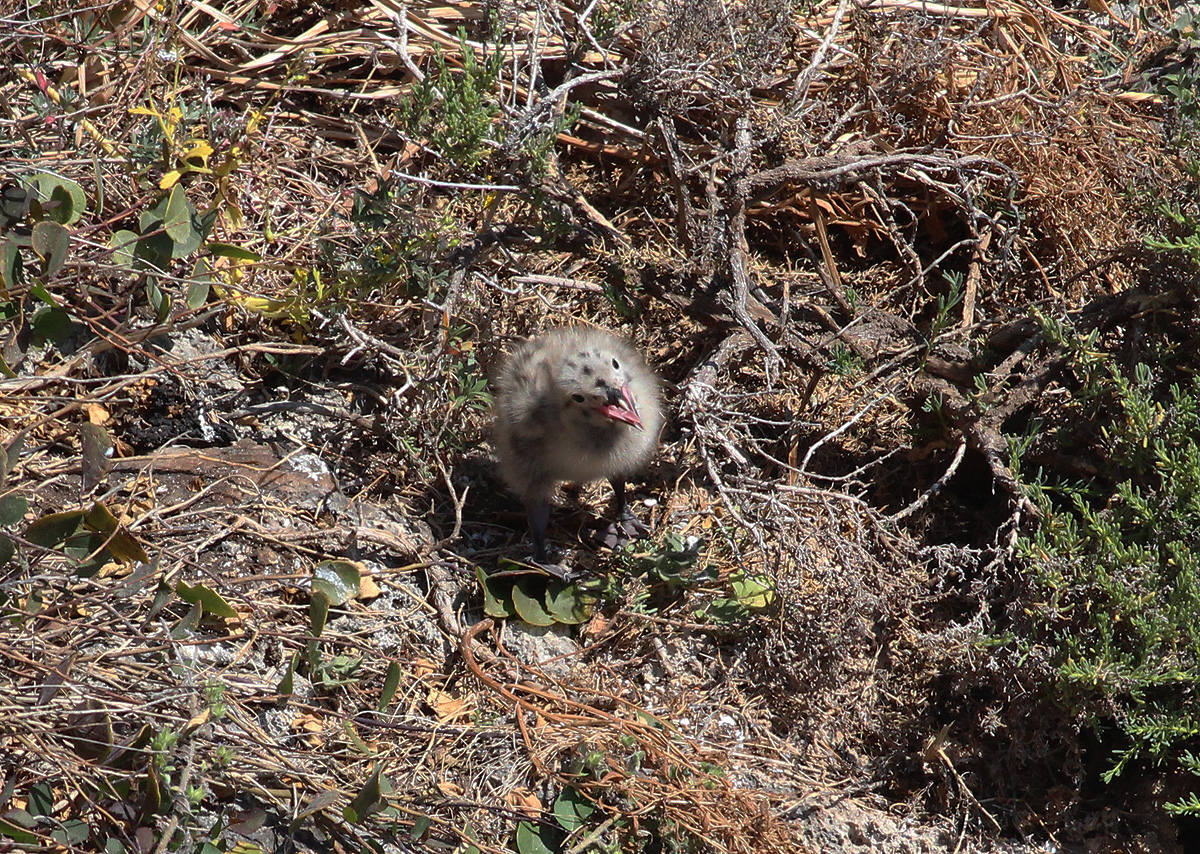
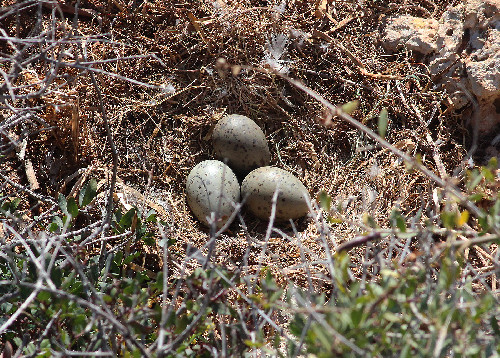
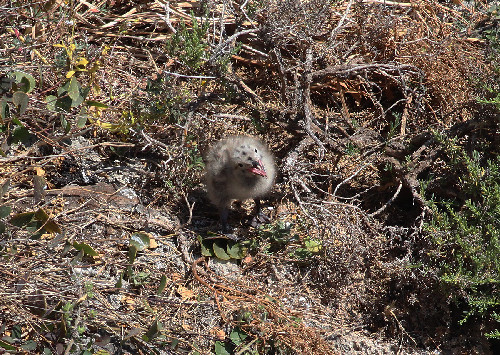
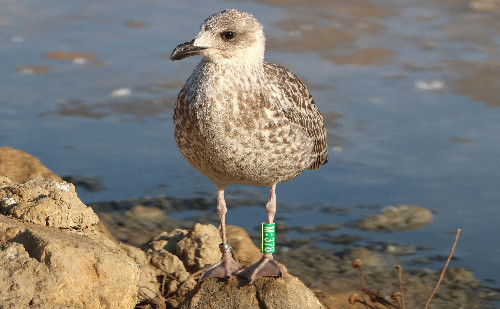
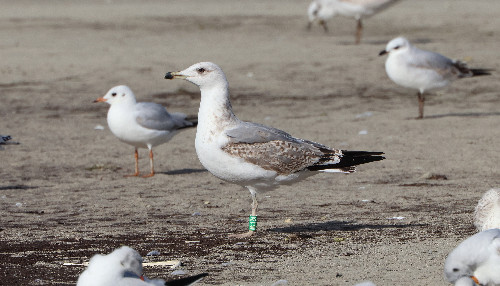
In Malta, Yellow-legged Gulls breed mainly on offshore islands and coastal cliffs, with Filfla supporting the largest colony and St Paul’s Islands another important breeding site (Sultana et al., 2011; Crymble et al., 2020). The species occurs throughout the year, with local breeders joined by migrants and winter visitors from elsewhere in the Mediterranean. Most readings of colour-ringed birds take place at Salina Nature Reserve, helping to reveal their origins, movements and seasonal distribution (BirdLife Malta Ringing Scheme Ringing Reports).
Large numbers regularly gather at fish farms and at the Magħtab landfill, suggesting that artificial food sources may strongly influence their abundance and distribution. However, the origin and breeding status of these birds are not always known. Recent tracking projects are beginning to clarify movements between breeding colonies, feeding areas and roosting sites. Changes in waste management, aquaculture and fisheries practices may therefore affect the population, while disturbance at accessible colonies and predation on other seabirds remain conservation concerns.
Seasonality
Ringing Statistics
- Species Euring Code: 5926
- Individuals Ringed by MLV 1965-2025: 2961
- Total Recoveries: 34
- Malta ringed birds recovered abroad: 26
- Foreign ringed birds recovered Malta: 8
- Maximum Distance: 2,139 km
- Maximum Time Elapsed: 5,041 days
- Recovery Circumstances:
Map of Recoveries & Telemetry
Projects
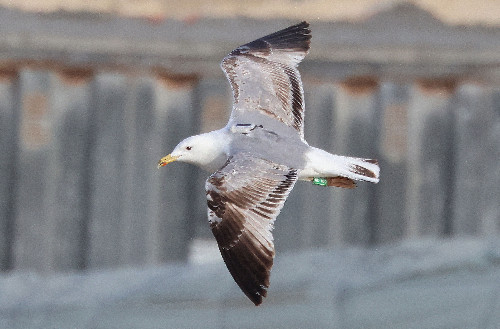
Flight for Insight: Monitoring Yellow-legged Gulls
June, 2025 -
Ongoing
The Yellow-legged Gull is one of Malta's most familiar seabirds, yet surprisingly little is known about the species in particular its movements. Over the past years BirdLife Malta became increasingly concerned at the number of sick, weak gulls being recovered from different places in the Maltese Islands. Most of these...

Tracking Mediterranean Gulls and Yellow-legged Gulls
March, 2022 -
March, 2023
The Tracking Mediterranean Gulls and Yellow-legged Gulls project was developed by BirdLife Malta to improve our understanding of the movements and ecology of two gull species closely associated with the Maltese Islands and in particular Salina Nature Reserve.
For the Mediterranean Gull, the project focused on birds wintering at Salina...
Flight for Insight: Monitoring Yellow-legged Gulls
June, 2025 - OngoingThe Yellow-legged Gull is one of Malta's most familiar seabirds, yet surprisingly little is known about the species in particular its movements. Over the past years BirdLife Malta became increasingly concerned at the number of sick, weak gulls being recovered from different places in the Maltese Islands. Most of these...
Tracking Mediterranean Gulls and Yellow-legged Gulls
March, 2022 - March, 2023The Tracking Mediterranean Gulls and Yellow-legged Gulls project was developed by BirdLife Malta to improve our understanding of the movements and ecology of two gull species closely associated with the Maltese Islands and in particular Salina Nature Reserve. For the Mediterranean Gull, the project focused on birds wintering at Salina...